

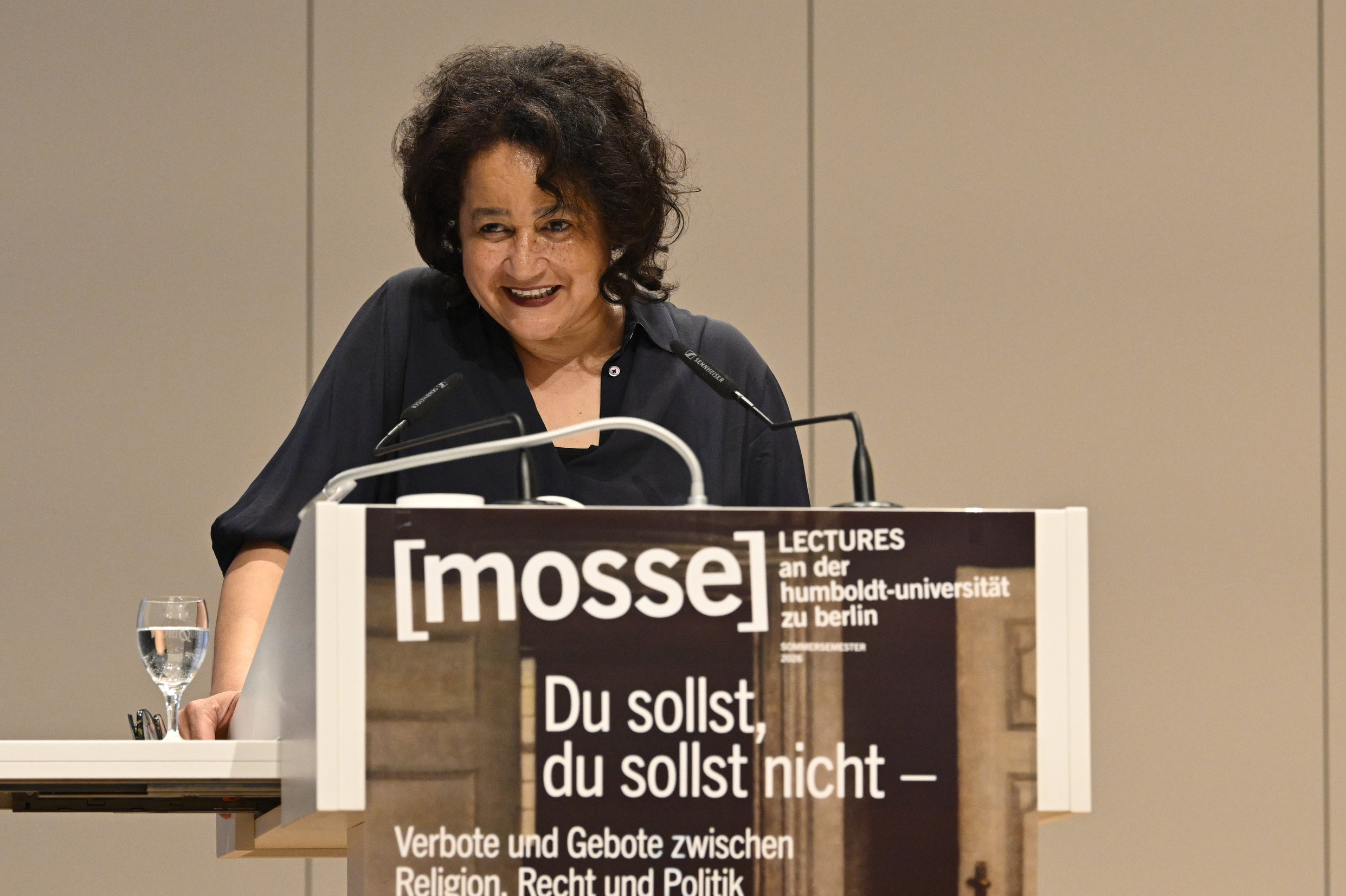
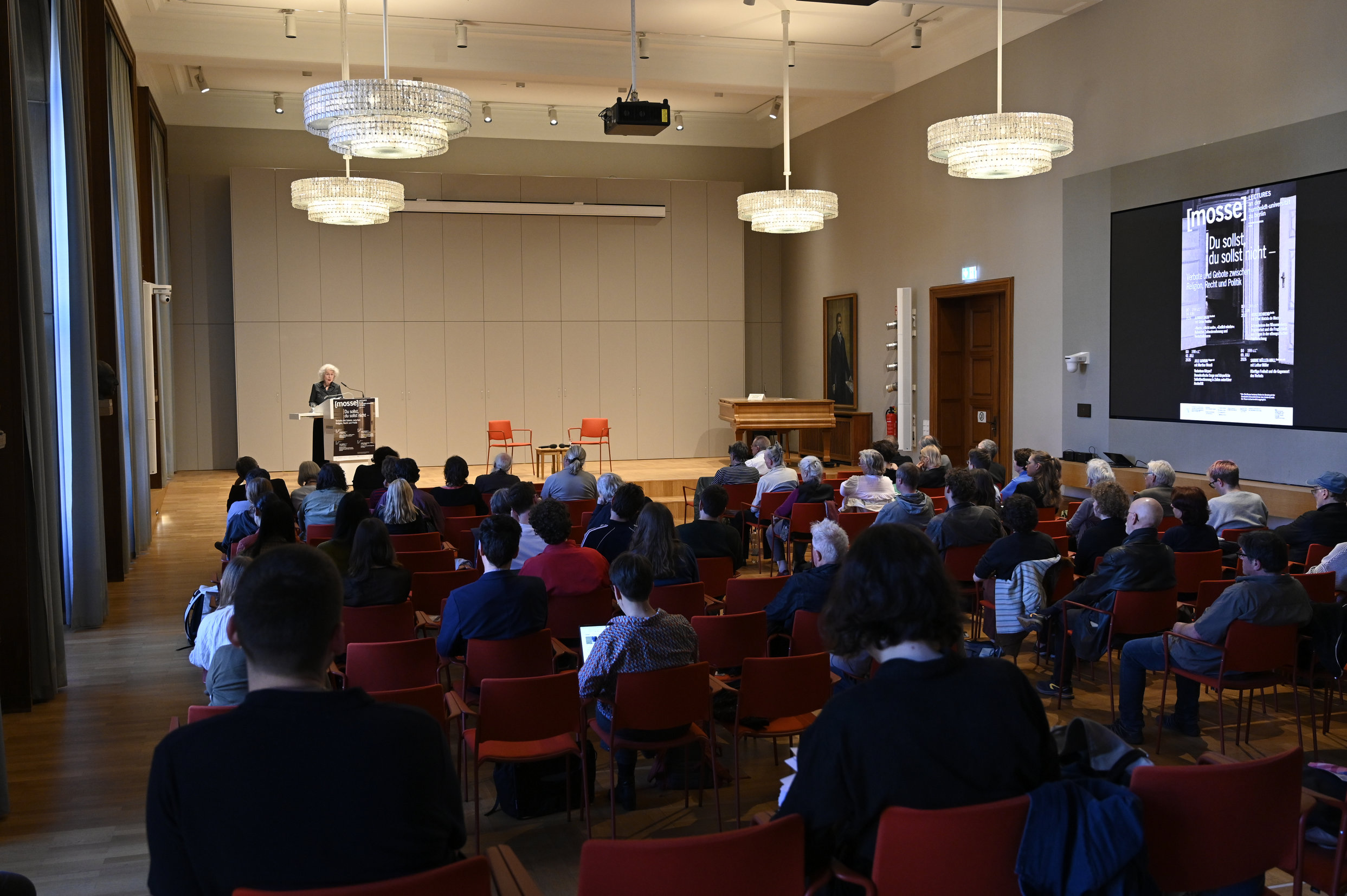
Thou shalt, thou shalt not.
Prohibitions and Commandments between Religion, Law, and Politics
Sommer Term 2026
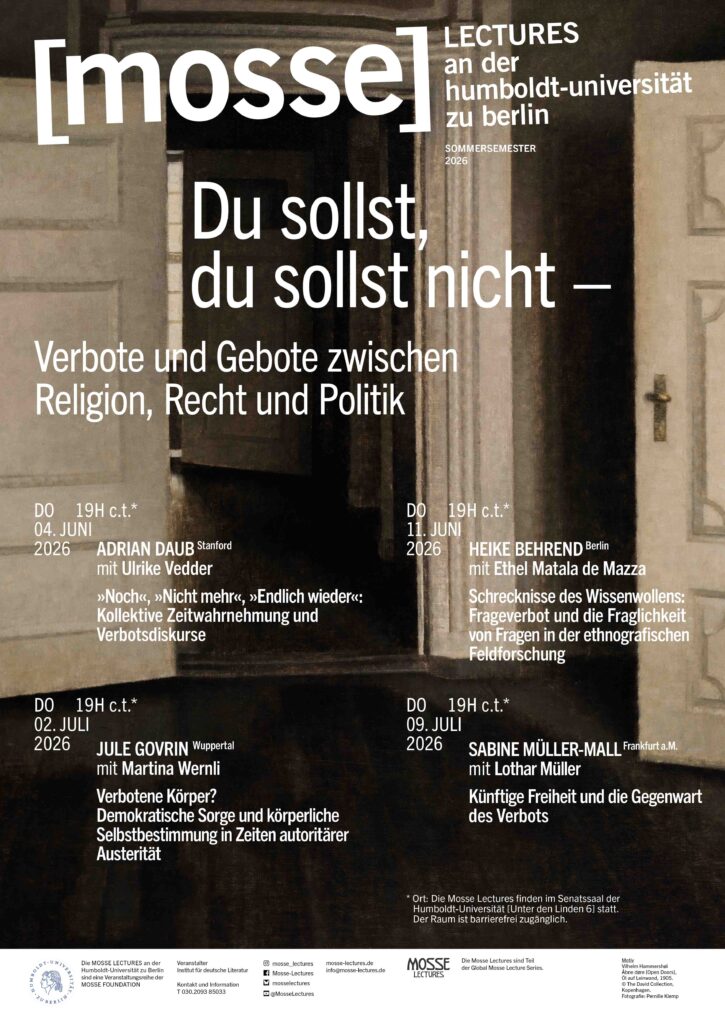
Prohibitions and commandments are the pivots of religious and ethical ways of life, they stabilize social orders, protect against violence, and limit the abuse of power. Rights, including fundamental rights, are safeguarded by prohibitions. At the same time, prohibitions themselves are an expression of political, economic, and social power relations. Prohibiting others—or even oneself—from doing something means restricting scope for action and self-realization. The fact that this repressive function of prohibitions and taboos inherently possesses a culture-forming dimension accounts for the discontent that Sigmund Freud already attributed to civilization at the beginning of the 20th century. The productive power of prohibitions can also be traced etymologically: As far back as Old Low German, the verb »verbieten« [to forbid] [Middle Low German »vorbēden«] was closely related to the command, in the sense of an emphatic directive for action.
In the summer semester of 2026, the Mosse Lectures aim to shed light on the ambivalences of prohibitions from a historical and systematic perspective and to examine their relevance to contemporary social debates. For while criticism of prohibitions has seemed ubiquitous in many social spheres for some time now, and »destigmatization« carries positive connotations for good reasons, prohibitions are experiencing a renaissance in contexts where they become instruments of crisis management. For example, in the global discussions surrounding the necessity and legitimacy of a social media ban for children and adolescents. Or in current climate policy, which—under the banner of safeguarding intertemporal freedom—faces the task of recalibrating the relationship between intergenerational justice and a »culture of prohibition« and debating the current imperative for bans. The debates surrounding cancel culture, fake news, and digital privacy rights also revolve around the possibilities of prohibitive restrictions. The Mosse Lectures bring together perspectives from philosophy, cultural studies, ethnology, and legal studies to examine the conditions under which prohibitions appear legitimate, their cultural foundations and political functions, and, not least, the power that is constituted in the very act of prohibiting.
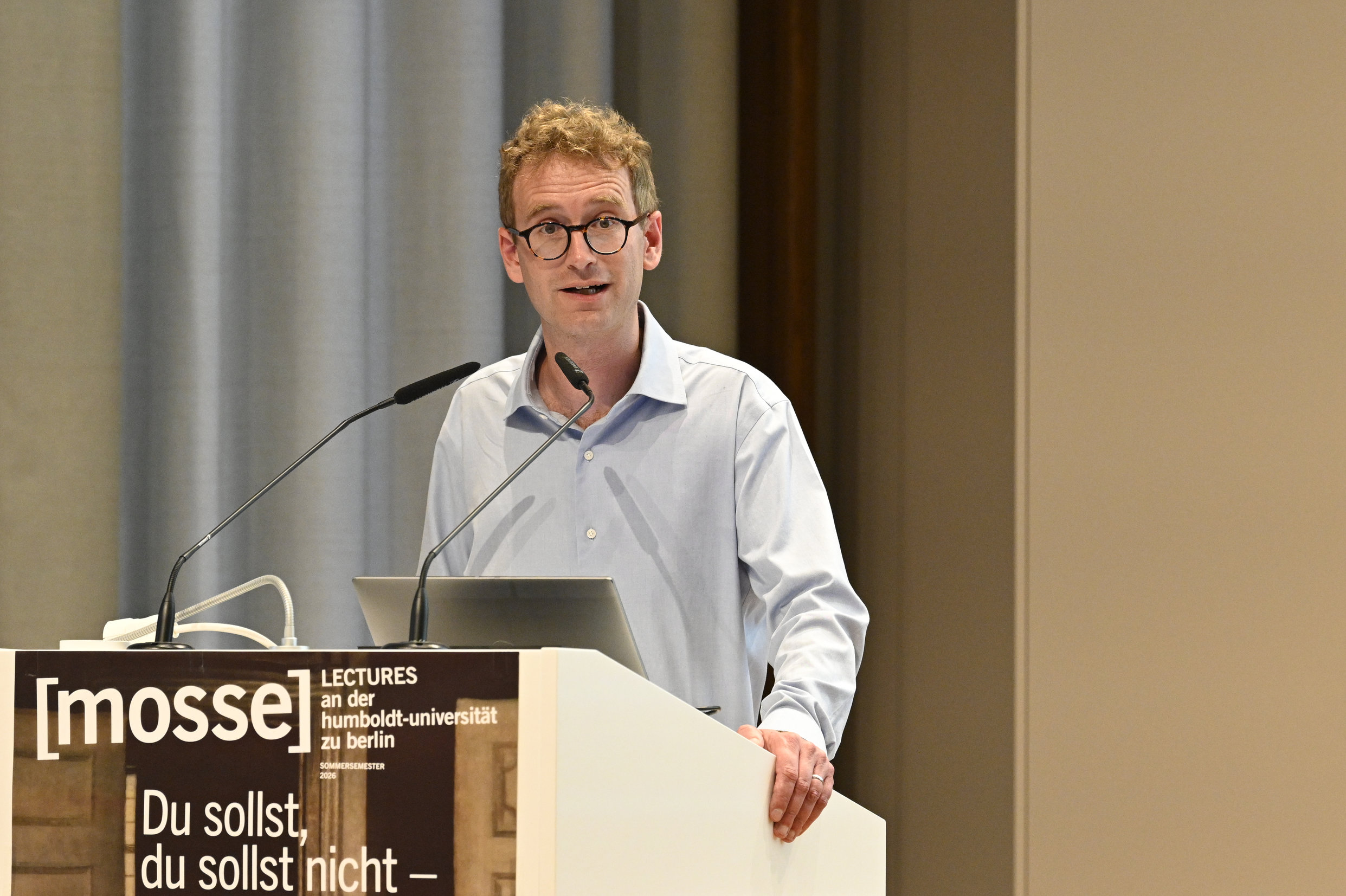
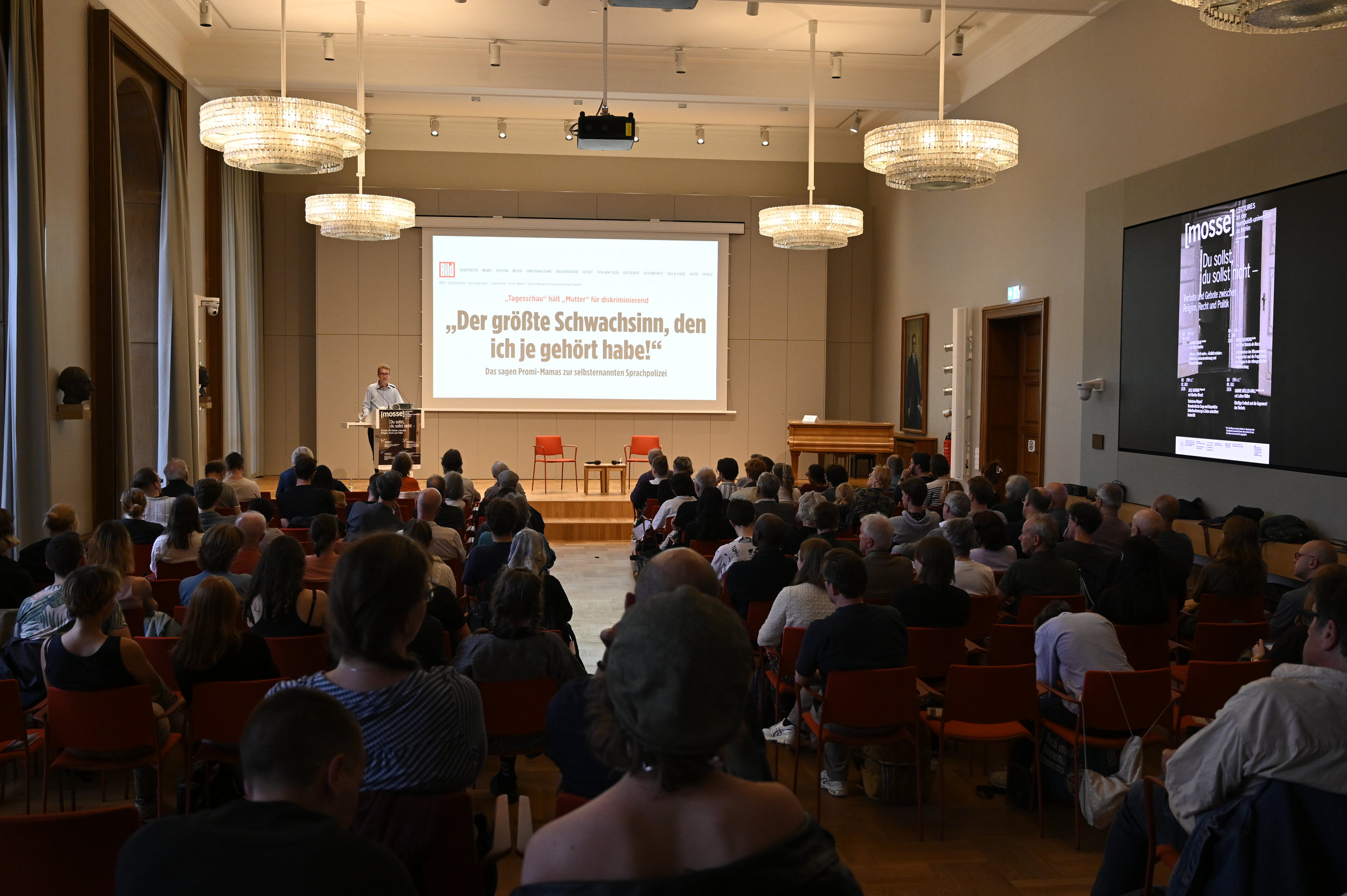
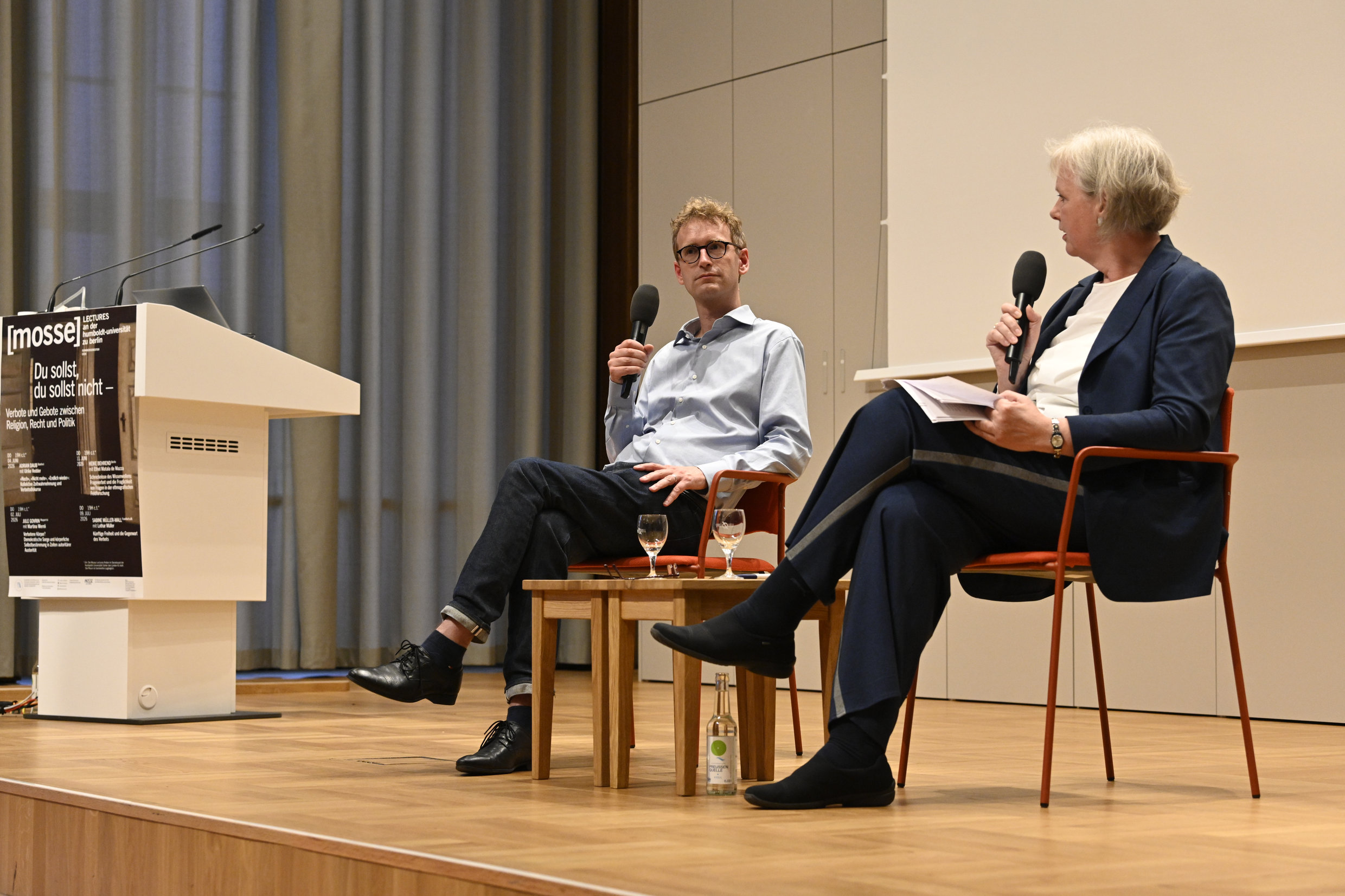
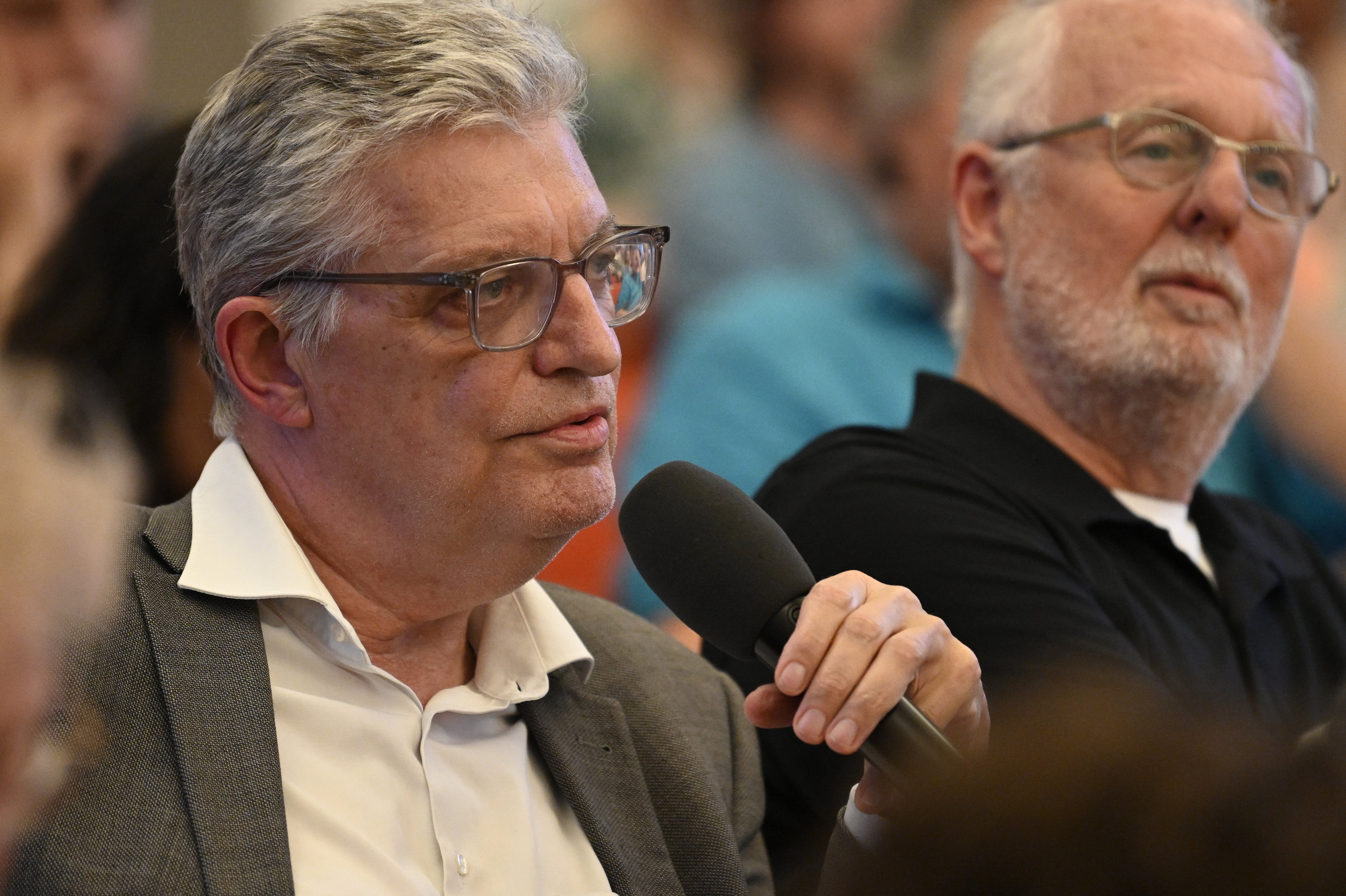
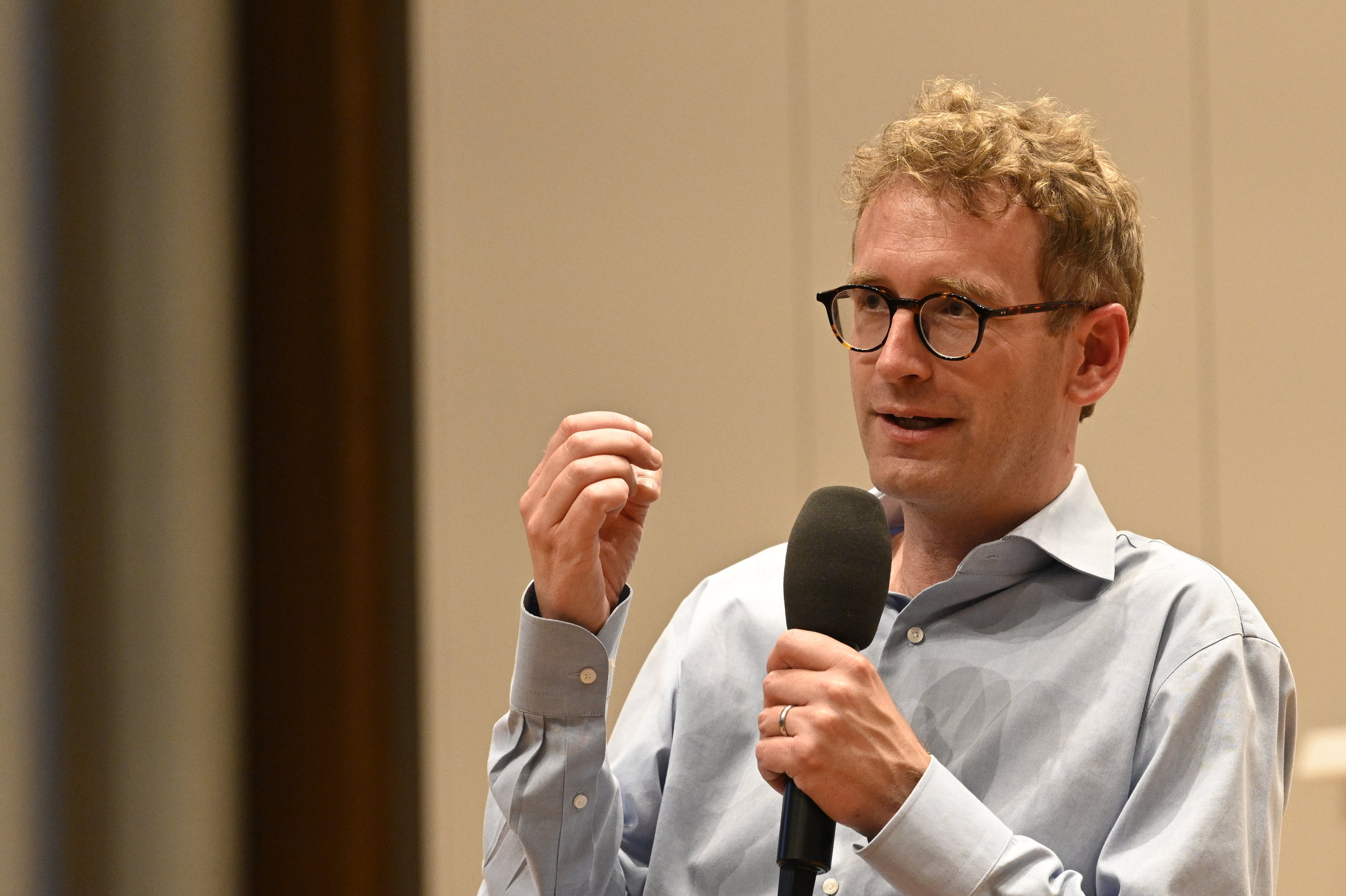
Adrian Daub
»Noch«, »Nicht mehr«, »Endlich wieder«: Kollektive Zeitwahrnehmung und Verbotsdiskurse
with Ulrike Vedder
Thursday, June 4, 2026 | 7:15 p.m. | Senatssaal of Humboldt University, Unter den Linden 6, 10117 Berlin
The claim that »one« can or may »no longer« say x, y, or z has been firmly entrenched in political discourse since at least the 1980s. It stands for a broader feeling of unsayability and the mechanisms by which this supposedly spreads—mechanisms that, for the people who describe them, have the character of prohibitions, even though these prohibitions are rarely explicitly put into words. Moreover, the sense of a historical shift expressed through speech prohibitions seems to structure a certain audience’s relationship to the political. This lecture challenges the notions of sayability and unsayability, of historical shift and political power, that underlie this linguistic game. Above all, however, it deals with time and the experience of time, with nostalgia, and with the feeling you get when »everyone« speaks the same way you do.
ADRIAN DAUB: Literary scholar; J.E. Wallace Sterling Professor of the Humanities in the departments of Comparative Literature and German Studies at Stanford University. Since 2019, Daub has also served as Faculty Director of the Michelle R. Clayman Institute for Gender Research. His research interests include the intellectual and cultural history of the 19th century, as well as issues of gender and sexuality. In addition to his academic work, Daub acts as a political commentator on current affairs in German and English-language newspapers [including FAZ, DIE ZEIT, NZZ, and The Guardian], as well as in the podcast »The Feminist Present,« produced with Laura Goode. His latest book, »Cancel Culture Transfer. Wie eine moralische Panik die Welt erfasst,« was published by Suhrkamp Verlag in 2022 [»The Cancel Culture Panic. How an American Obsession Went Global«, thoroughly revised english edition, published by Stanford University Press in 2024]. The book appeared on the non-fiction bestseller list of ZDF, Deutschlandfunk, and DIE ZEIT in January 2023.
The lecture will be held in german.
gallery:
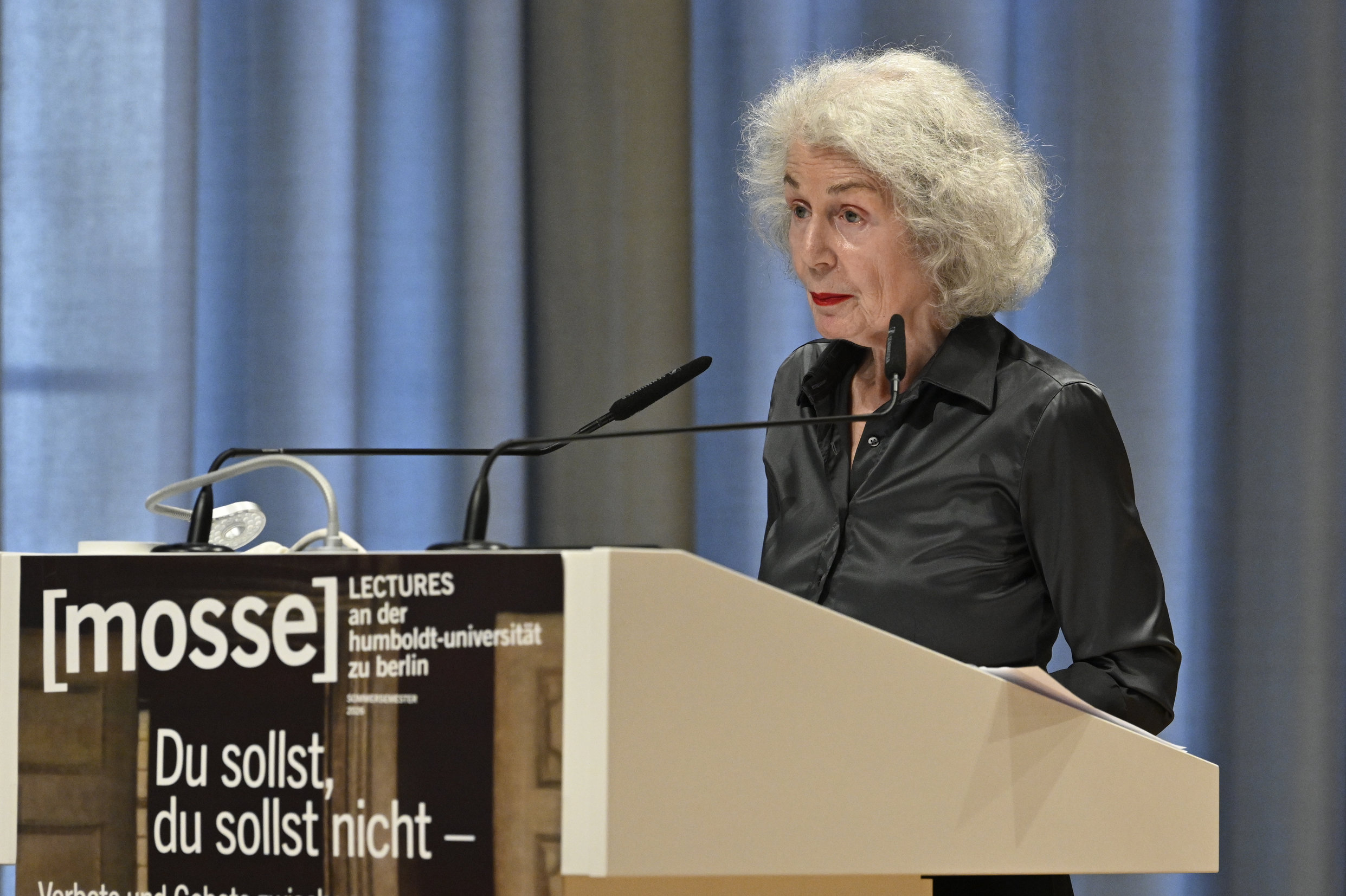
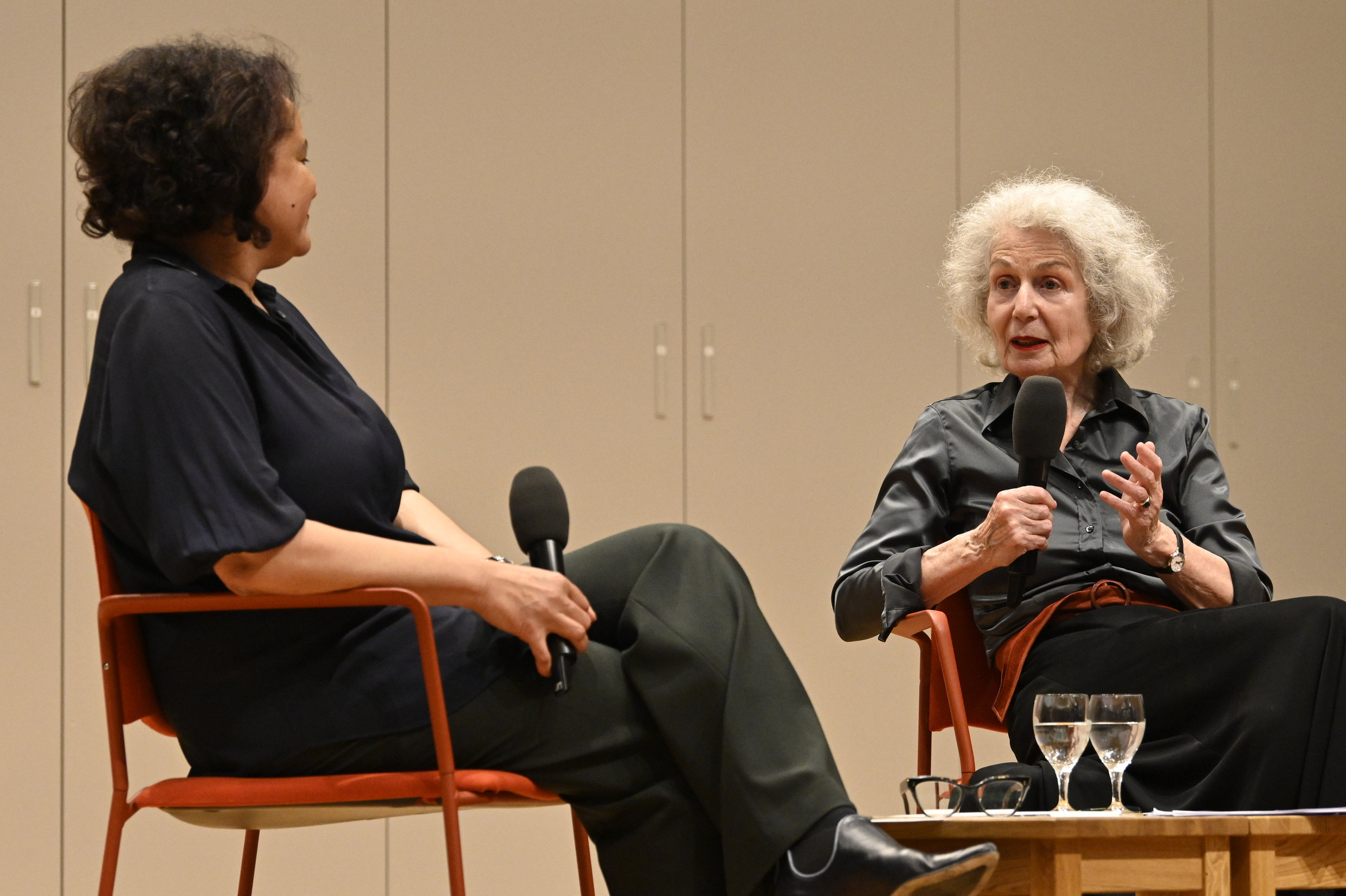
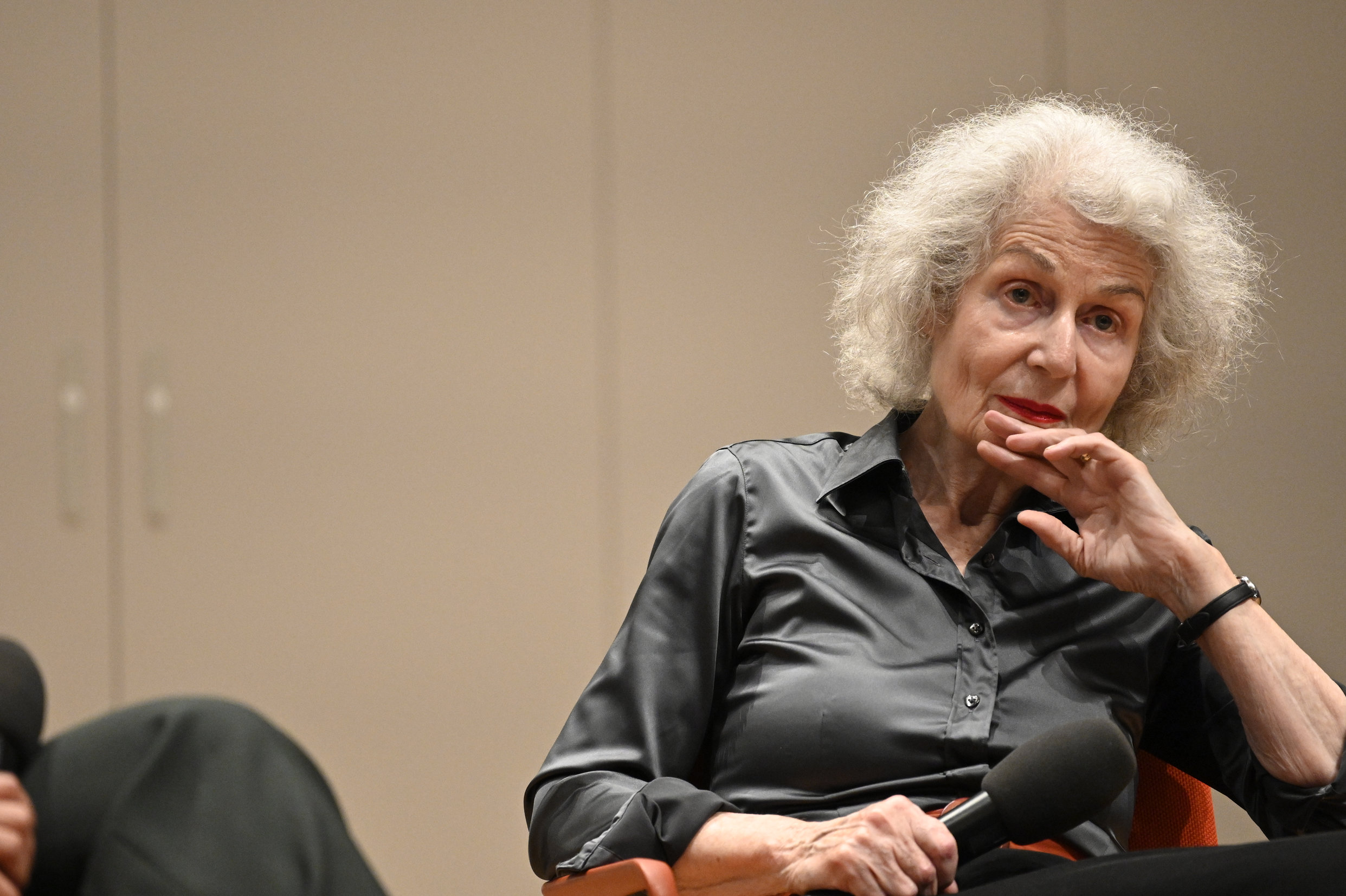
Heike Behrend
Schrecknisse des Wissenwollens: Frageverbot und die Fraglichkeit von Fragen in der ethnografischen Feldforschung
with Ethel Matala de Mazza
Thursday, June 11, 2026 | 7:15 p.m. | Senatssaal of Humboldt University, Unter den Linden 6, 10117 Berlin
My lecture addresses questions and their questionability, and thus also the questionability of the interrogating ethnologist during fieldwork. Starting from the shock of a ban on asking questions imposed on me by the elders during my first fieldwork in northwestern Kenya in the late 1970s, I will attempt to recount fragments of a history of ethnographic inquiry.
Ethnographic research emerged from journeys to foreign lands, which evoked a sense of rupture, wonder, and amazement—and thus new questions. I follow Hans Blumenberg’s »process of theoretical curiosity«, tracing the increasing professionalization and scientification of travel up to the development of question catalogs for ethnographic work. Using the examples of the research conducted by Bronisław Malinowski in Melanesia, Victor Segalen in China, and Marcel Griaule in West Africa, I will present different methods of producing ethnographic knowledge and conducting interviews, and highlight the respective horrors of the desire for knowledge, the asymmetries, and the violence inherent in them, which at the same time provoke the resistance among those being interviewed. I conclude with Klaus Heinrich’s question of the possibilities of a solidarity-based questioning, an alliance between the questioner and the respondent that might put a stop to the horrors of the desire for knowledge.
HEIKE BEHREND: Ethnologist; Professor Emerita of Ethnology at the Institute of African and Egyptian Studies at Universität zu Köln. Her areas of expertise include ethnographic research, particularly in East Africa, popular African media culture, and the relationship between religion, war, and violence. She has taught and conducted research at institutions including the École des Hautes Études en Sciences Sociales in Paris, Northwestern University in Evanston [USA], the International Research Center for Cultural Studies [IFK] in Vienna, and Tokyo University of Foreign Studies in Japan. In her 2020 retrospective on nearly 50 years of research practice, »Menschwerdung eines Affen. Eine Autobiografie der ethnografischen Forschung« [published by Matthes & Seitz], she reverses the colonial gaze and recognizes herself as an object of ethnography through the eyes of those being studied. The book was awarded the Leipzig Book Fair Prize in 2021 in the »non-fiction/essays« category. Her latest work is entitled »Gespräche mit einem Toten. Gustaf Nagel, Prophet vom Arendsee« [Matthes & Seitz 2025].
The lecture will be held in german.
gallery:
Jule Govrin
Verbotene Körper? Demokratische Sorge und körperliche Selbstbestimmung in Zeiten autoritärer Austerität
with Martina Wernli
Thursday, July 2, 2026 | 7:15 p.m. | Senatssaal of Humboldt University, Unter den Linden 6, 10117 Berlin
Democracies currently appear to be under threat, amid a cascade of crises and a climate of social unease. Far-right parties such as the AfD are capitalizing on the uncertainties of these crisis times. With the rise of authoritarian forces, a new phase of austerity is emerging globally, whose disruptive policies have extreme consequences for democratic life. Pioneers of this authoritarian austerity, such as Javier Milei in Argentina and Donald Trump in the U.S., stand out for their political performances of authoritarian masculinity. They deliberately cut funding for gender equality measures and restrict the rights of women and queer people. How can the connections between austerity, authoritarianism, and anti-feminism be understood? How do they manifest in terms of body politics, as attacks on the social reproduction of society as a whole, and as attacks on bodily and gender self-determination? Where can we find counterstrategies of democratic care that sustainably strengthens democracy?
JULE GOVRIN: Philosopher; visiting professor of practical philosophy at Bergische Universität Wuppertal. Govrin conducts research at the intersection of social philosophy, feminist political philosophy, ethics, and aesthetics. Her work focuses on issues of equality and universalism, care and solidarity, and the political dimension of bodies. In addition to research stays in Marseille and Porto Alegre, she was a visiting scholar at the Centre Marc Bloch in Berlin and the Institut für Sozialforschung in Frankfurt am Main. Her publications include »Politische Körper. Von Sorge und Solidarität« [Matthes & Seitz 2022], »Begehrenswert. Erotisches Kapital und Authentizität als Ware« [Matthes & Seitz 2023], and »Begehren und Ökonomie. Eine sozialphilosophische Studie« [de Gruyter 2020]. Her most recent book, »Universalismus von unten. Eine Theorie radikaler Gleichheit,« was published by Suhrkamp in 2025.
The lecture will be held in german.
gallery:
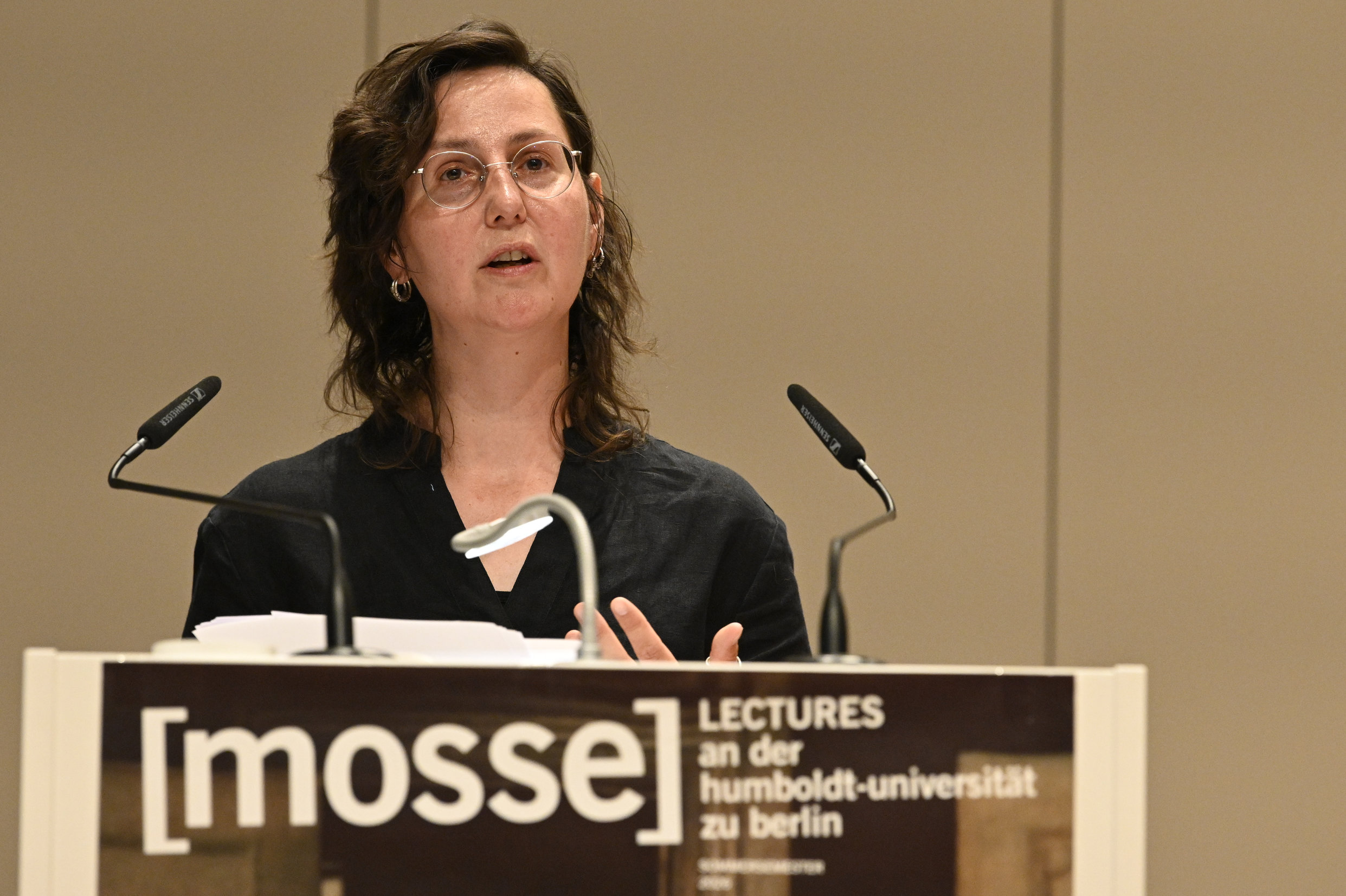
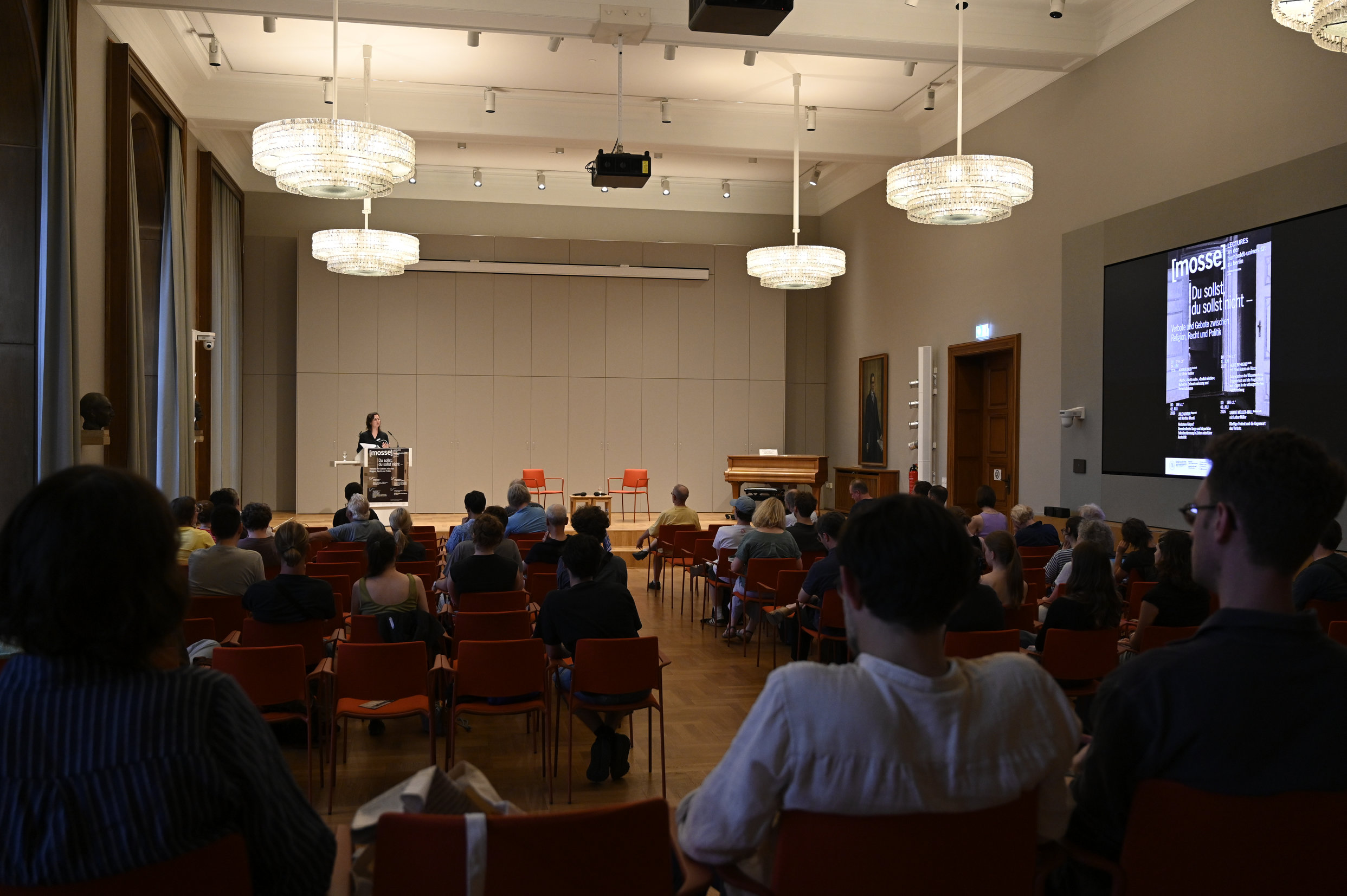
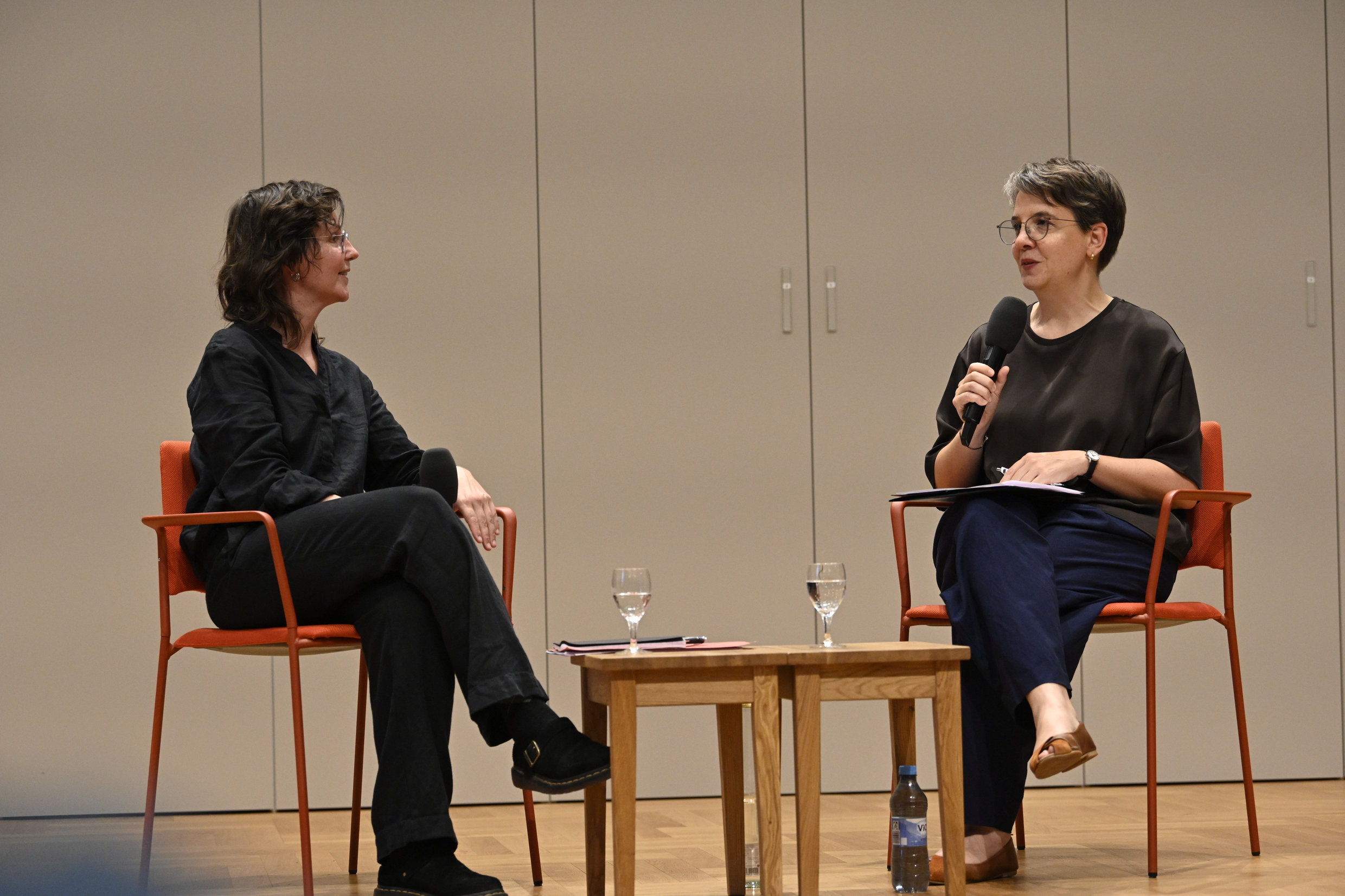
Sabine Müller-Mall
Künftige Freiheit und die Gegenwart des Verbots
with Lothar Müller
Thursday, July 9, 2026 | 7:15 p.m. | Senatssaal of Humboldt University, Unter den Linden 6, 10117 Berlin
Struggles over the climate also unfold along the lines of rights and prohibitions, specifically in relation to the temporal dimensions of freedom. Politically, prohibition is portrayed as the antithesis of present-day freedom, while the preservation of future freedom is understood as a legal imperative. The German Federal Constitutional Court extends freedom temporally, into the future and back again to the present. In doing so, it balances the possibilities of future freedom with present freedoms. If – as in the case of the climate – the future becomes finite, temporal aspects of the relationship between law and politics come to the fore. How can legal forms take future freedom into account? How can we situate questions of freedom in relation to temporal dimensions? And why do such questions arise precisely in the context of concrete prohibitions in the present?
SABINE MÜLLER-MALL: Legal philosopher; Professor of Law and Philosophy at the Center for Critical Computational Studies at Goethe-Universität Frankfurt am Main. Her research interests include the philosophy of law, constitutional theory, and constitutional law. She is currently conducting research, in particular, on legal normativity, the theory of judgment, and the relationship between law and aesthetics, as well as on fundamental legal and political questions arising from the use of computer-based technologies. In 2020, the book »Freiheit und Kalkül. Die Politik der Algorithmen« was published by Reclam. Her most recent book, in which she examines the influence of court rulings on constitutional developments, was published in 2023 by Suhrkamp under the title »Verfassende Urteile. Eine Theorie des Rechts.«
The lecture will be held in german.
gallery:
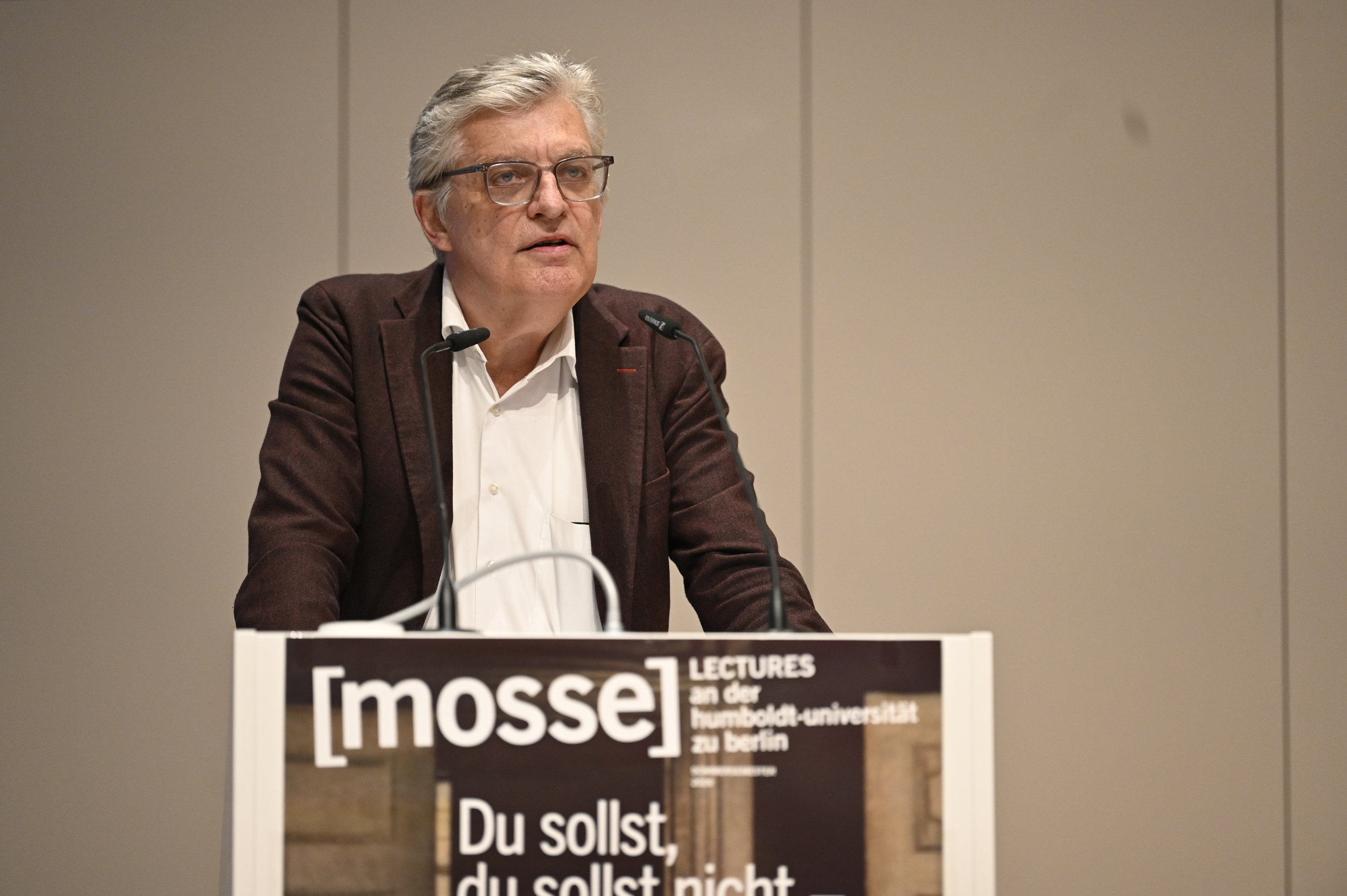
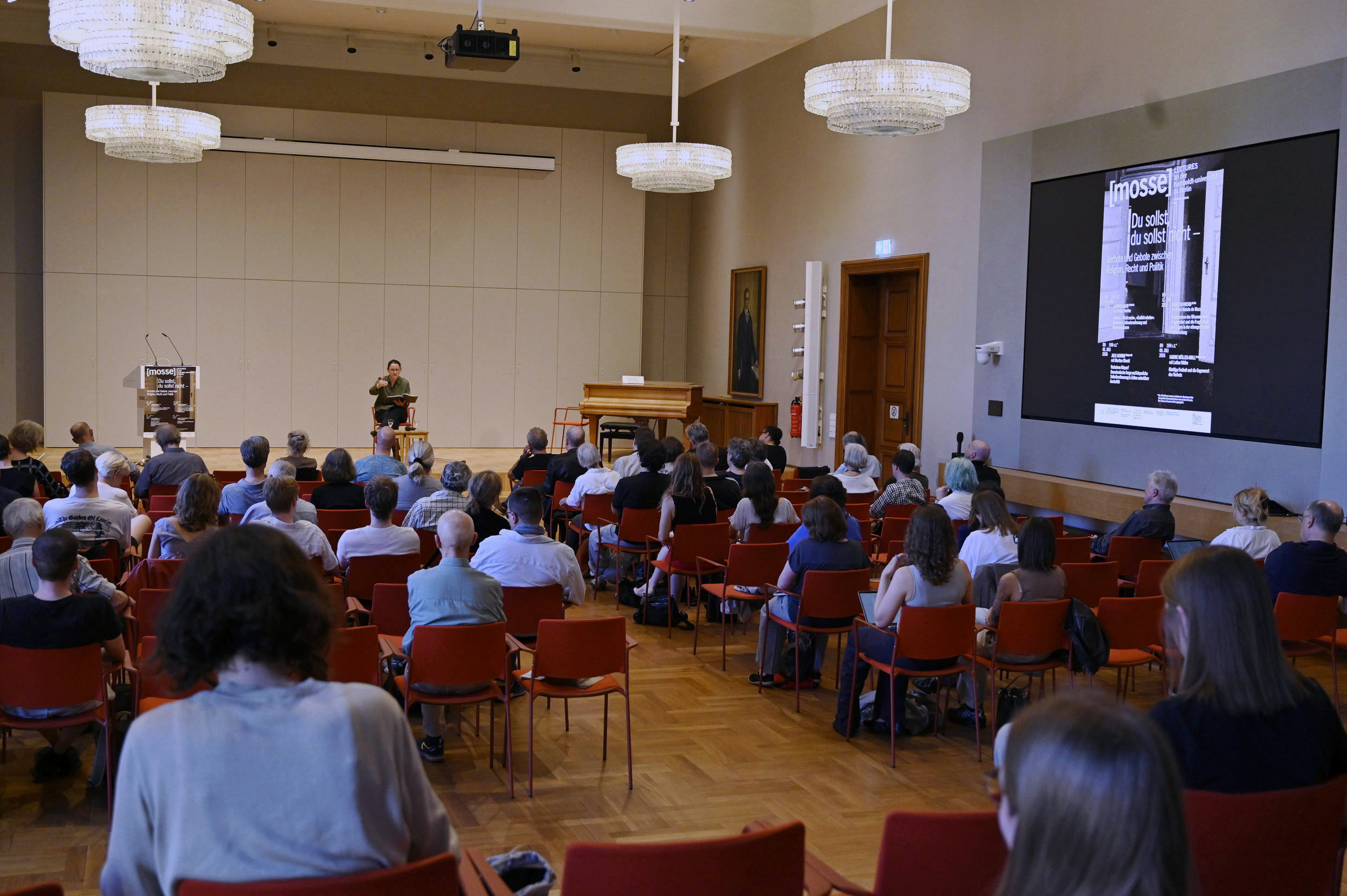
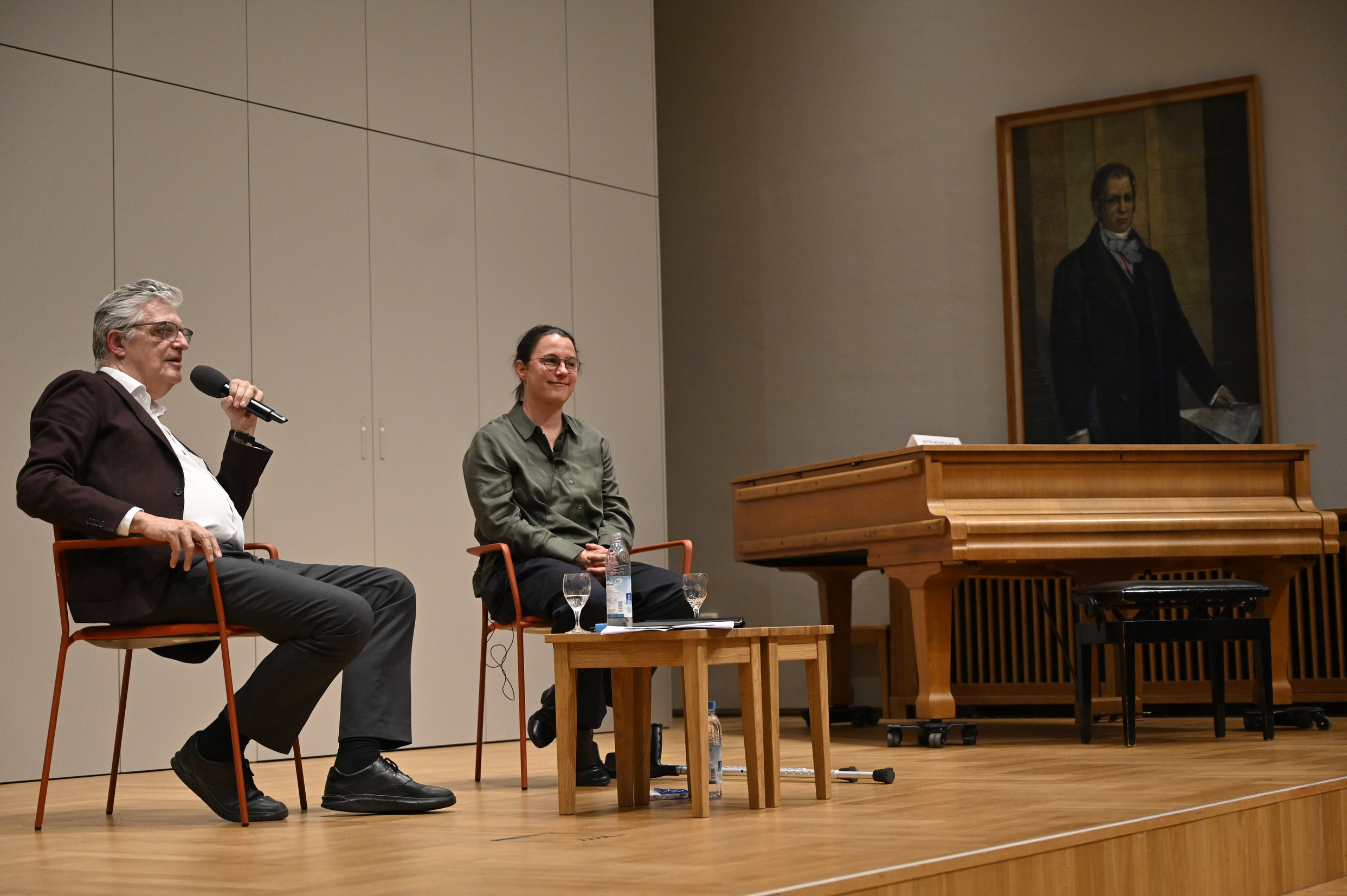
[media response]:
– Torsten Flüh on the Mosse Lectures by Adrian Daub and Heike Behrend at Night Out @ Berlin: Wenn der Ball rollt …